



[ad_1]
More than 3,500 invasive alien species are seriously compromising human wellbeing and causing irreversible damage to ecosystems, according to the Intergovernmental Science-Policy Platform on Biodiversity and Ecosystem Services (IPBES). While some alien species actually benefit humans, the UN organisation estimates 10% threaten nature and people.
Alien species are plants, animals or other organisms that are introduced to new regions by human activities. A subset of them, known as invasive alien species, can make native species go extinct, spread diseases such as malaria, Zika and West Nile fever, and damage food crops.
The IPBES, a body of experts tasked with assessing the state of nature and its contributions to society, has identified invasive alien species as a significant cause of the declining variety of lifeforms on Earth. Other threats include the loss and degradation of habitats, pollution, climate change and the overharvesting of species for food, their body parts and the pet trade.
A new report by the IPBES, created by 86 experts from 49 countries over four years, drawing on over 13,000 scientific studies and including contributions from indigenous peoples, highlights the particular threat of invasive species.
Growing threat
Invasive alien species affect all world regions, including Antarctica. The IPBES assessment says that 34% of the impacts are reported in the Americas, 31% in Europe and Central Asia, 25% in Asia and the Pacific, and 7% in Africa.
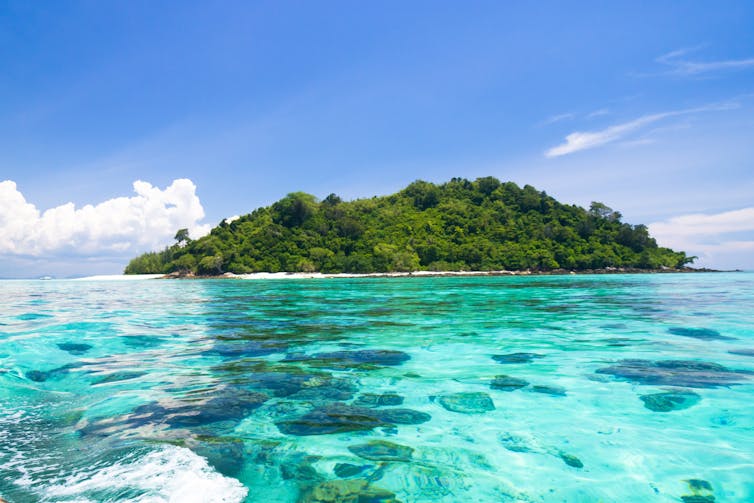
Most impacts are reported on land (75%), with fewer in freshwater (14%) and marine (10%) habitats. Islands are particularly vulnerable, with alien plants outnumbering natives on more than 25% of the world’s islands.
Vibrant Image Studio/Shutterstock
The assessment highlights that indigenous peoples, who are more likely to have deep cultural ties to the lands on which they live, are particularly vulnerable. More than 2,300 invasive alien species occur in indigenous territories, threatening the quality of life and cultural identities of millions of people.
The report also reveals that invasive alien species are linked to 60% of global plant and animal extinctions. Their implicit economic cost exceeded US$423 billion (£361 billion) annually in 2019 and has quadrupled each decade since 1970.
The threat of invasive alien species will loom larger in future due to increasing trade and travel. Their impacts could be amplified as they interact with other drivers of biodiversity loss, such as climate change.
Taking control
An effective response to each invasive species will depend on where it is happening and how it is spreading. But it should combine efforts across countries and sectors. Raising awareness among the public will also be necessary.
Although 80% of countries have targets for managing invasive alien species, only 17% have specific national laws or regulations. The IPBES assessment also highlights that 45% of countries do not invest in the management of biological invasions, which puts their national neighbours at risk.
The assessment calls for effective management to address the growing threat. Its recommendations include:
increasing preparedness and prevention through pre-border quarantines and strict import controls, which are generally the most cost-effective solutions
early detection of invasions and rapid responses through general surveillance strategies, especially in aquatic environments
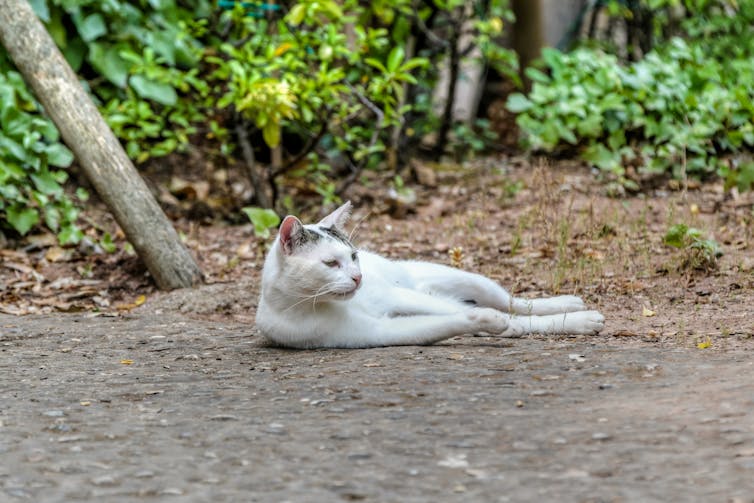
eradicating invasive species where possible – this is most feasible for small, slow-spreading species (for example, feral cats) and particularly in isolated ecosystems such as islands
containment, which can be effective for invasive alien species that cannot be eradicated.
Todamo/Shutterstock
Invasive aliens can be beneficial
Alien species can also benefit people. The recent assessment acknowledged that perceptions of their threat can vary depending on who you ask, which can complicate their management. The report does not offer guidance for these cases, but assessing the benefits and costs of each alien species is a good place to start.
For example, feral cattle, sheep, goats and pigs on the Caribbean island of Montserrat provide meat for local cuisines. Another assessment by the Montserrat Department of Environment (which I helped with) found that discontinuing management of these feral animals could halve the island’s nature-based tourism revenue. This ongoing control programme provides a steady supply of wild meat, which would fall by 36% in its absence.
Having an accurate understanding of the damage caused by invasive species, as well as their potential benefits and the cost of controlling them, is essential for properly tackling one of the biggest threats to Earth’s biodiversity.
Don’t have time to read about climate change as much as you’d like?
Get a weekly roundup in your inbox instead. Every Wednesday, The Conversation’s environment editor writes Imagine, a short email that goes a little deeper into just one climate issue. Join the 20,000+ readers who’ve subscribed so far.
[ad_2]
Source link
