



[ad_1]
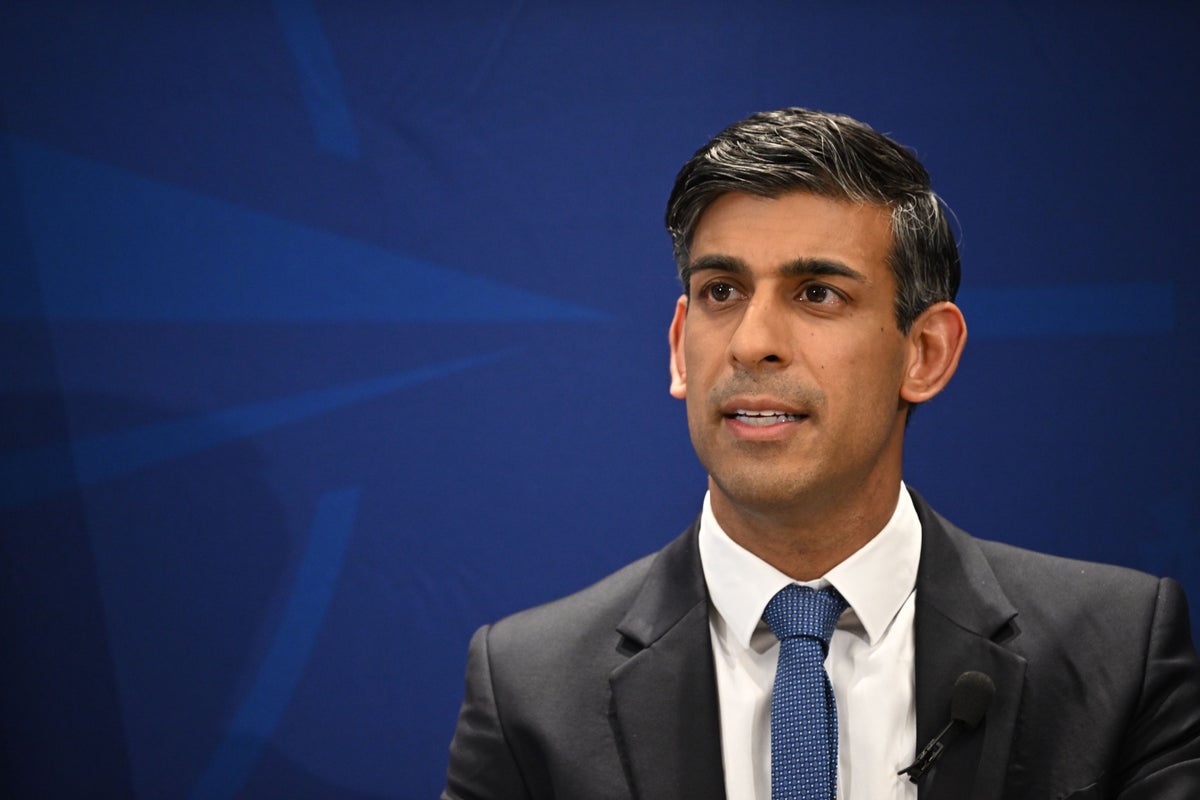
Millions of public sector workers are set to get pay rises of 6 per cent or more as ministers try to bring an end to strike action hitting public services.
Rishi Sunak confirmed on Thursday that he would accept the recommendations of all the government’s independent pay review bodies with teachers offered a 6.5 per cent rise and junior doctors 6 per cent .
But question marks remain over how the pay increases will be funded as the government said it would not borrow more money to fund the wage uplifts.
Urging junior doctors to accept the offer as they embarked on the longest strike in NHS history, the prime minister said the medics should “do the right thing and know when to say yes”.
Teachers’ unions meanwhile immediately said they would recommend that their members accept the proposal and call off their industrial action.
Speaking at a press conference on Thursday Mr Sunak said some of the cash needed, “over £1 billion”, would be found by “significantly” raising fees for migrants’ visa applications and NHS access.
But other money will have to be found from existing departmental budgets, raising the prospect of cuts elsewhere.
“Now clearly, this will cost all of you as taxpayers more than we had budgeted for,” the prime minister said.
“That’s why the decision has been difficult, and why it has taken time to decide the right course of action.I can confirm today that we are accepting the headline recommendations of the pay review bodies in full, but we will not fund them by borrowing more or increasing your taxes.”
Ministers are struggling to bring to an end to industrial action by the likes of doctors and teachers while at the same time battling persistent high inflation.
Earlier the chancellor Jeremy Hunt said the government had had to take “difficult but responsible” decisions on wages for millions of workers.
Treasury minister John Glen told the Commons: “Policing will receive a 7 per cent headline uplift. NHS consults, SAS doctors, salaried dentists and salaried GPs will receive uplifts of 6 per cent this year, junior doctors will also receive a 6% uplift as well as an additional consolidated £1,250 increase.
“Prison officers in the operational bands will receive a pay increase of 7 per cent, with larger increases for support grades. Armed forces will receive a 5 per cent uplift, with an additional consolidated £1,000 increase.
“And our 6.5 per cent pay award for teachers will be fully funded, with the Government providing £525 million of additional funding for schools in 23/24 and a further £900 million in 24/25.
“In order to achieve this we are reprioritising within the Department for Education’s existing budget to deliver this additional funding to schools while protecting frontline services.
“The action we have taken today is the most responsible way forward, striking a balance between the demands of our public sector workers and the needs of our country and economy.”
Mr Sunak and Mr Hunt met earlier to decide whether or not to accept the recommendations of independent pay bodies for a variety of professions.
The Treasury has said it will not increase government borrowing to pay for wage rises. That means any extra cash may have to come from existing departmental budgets, potentially meaning cuts to services.
Experts have warned schools and the NHS could face cuts worth billions of pounds as a result.
Mr Sunak has promised to halve inflation – to 5 per cent – this year. But the current level of CPI inflation is running at 8.7 per cent, amid fears pay increases are fuelling a wage-price spiral.
Mr Hunt told MPs on Thursday that “it is important to deliver on the Prime Minister’s priority to get debt falling and to control borrowing to avoid adding inflationary pressures and risk prolonging higher inflation”.
“That means taking difficult but responsible decisions on the public finances,
Including public sector pay, because more borrowing is itself inflationary.”
Official figures released just hours before the announcement also showed the UK economy contracted in May.
[ad_2]
Source link
