



[ad_1]
Article content
A hemlock looper moth infestation in Stanley Park will result in the removal of 160,000 trees, the Vancouver park board announced on Wednesday.
Nearly one-quarter of all trees in Stanley Park have been damaged by the outbreak, which has also affected parts of North and West Vancouver.
Article content
Stanley Park has roughly half a million trees in total.
The scale of the damage has grown so much that the Urban Forestry team, which manages the park, has had to call in outside help.
The park board says the tree removal is an effort to support public safety and mitigate risks to key infrastructure in and around Stanley Park.
“Removing trees is not something we take lightly, but this work is essential to restarting the forest afresh and giving it the strongest chance at withstanding future threats to its health,” said Amit Gandha, Director of Parks, in a news release.
“With the park being so popular, this work will require time and an extra level of care to minimize impacts, and we thank the public in advance for their co-operation as we work to protect this very beloved space.”
Article content
The removal will take place over a number of years. However, traffic in the area will be affected over the coming months, including as soon as this weekend.
One lane will be closed on the Stanley Park Causeway, with one lane in each direction remaining open on:
• Sunday, Dec. 3, from 8 a.m. until 2 p.m.
• Sunday, Dec. 10, from 8 a.m. until 2 p.m.
• Saturday, Dec. 16, from 8 a.m. until 2 p.m.
Northbound pedestrians and bikes will be detoured through Stanley Park and to the west side of the causeway/bridge.
On Sunday, Dec. 17, from 8 a.m. to 11 a.m., the Stanley Park Causeway and Lions Gate Bridge will be closed to drivers, cyclists and pedestrians. Traffic will be detoured over the Ironworkers Memorial Second Narrows Crossing.
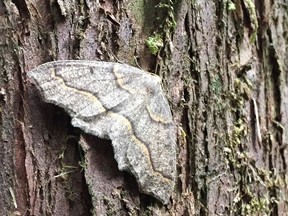
The hemlock looper moth is an insect that is native to the region and infestations occur approximately every 15 years.
The park board says some dead trees will be left in place as nurse logs to support regeneration of the surrounding ecosystem. Impacted areas will be replanted with tens of thousands of native species, including Douglas fir, western red cedar, grand fir, big Maple Leaf and red alder trees.
Share this article in your social network
[ad_2]
Source link
